Quality
Turkish Apples Quality
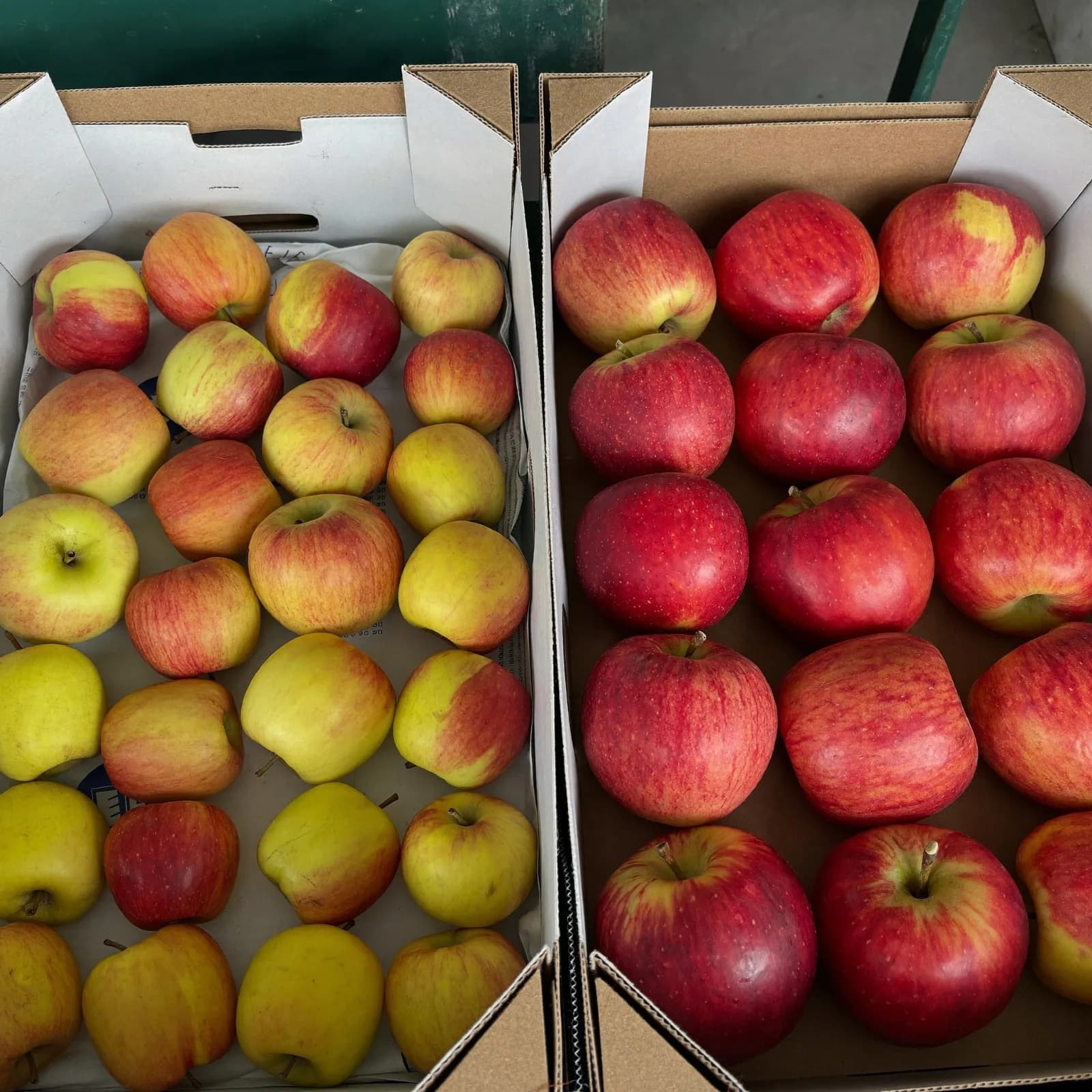
What good Turkish apples quality looks like
Good Turkish apples should have even size, good colour, firm flesh and clean skin. They should also be packed well, so they stay safe during storage and transport. In one lot, the apples should look similar and match the same standard. This is very important in commercial trade.
Quality can also change depending on the sales channel. Apples for premium retail usually need better colour, better presentation and more uniform size. Apples for wholesale can have a simpler visual standard, but they still need to be sound, fresh and properly graded.
Orchard conditions
The quality of Turkish apples is strongly linked to orchard conditions. Modern orchards with irrigation, hail protection and better tree management usually produce more even fruit with better size and colour. Older orchards can still produce good apples, but the results are often less consistent.
Weather is also very important. Frost, hail and drought can reduce apple size, damage the skin and lower the amount of fruit suitable for export. In difficult seasons, more fruit may go to processing instead of the fresh market. This means crop conditions have a direct effect on Turkish apples quality.
Calibre and size
Calibre means the size of the apple. It is usually measured in millimetres. In Turkish apple trade, calibre is one of the main quality points because it affects presentation, price and market use.
Common commercial sizes are 60–65 mm, 65–70 mm, 70–75 mm, 75–80 mm and 80+ mm. Smaller apples are often used in standard wholesale channels or more price-sensitive markets. Bigger apples are usually preferred in premium retail and supermarket programs. Because of this, the same variety can have different value depending on size.
Colour and look
Colour is another important part of Turkish apples quality, especially for red and bicolour varieties such as Red Delicious types, Gala and Fuji. In trade, colour is often judged by how much of the apple skin has the right colour for that variety. Better and more even colour usually means better visual value.
Golden apples are judged in a different way. They should have a clean yellow colour without too much green. Granny Smith should stay green and should not turn yellow too early. So colour standards are different for each variety, but they are always important for quality.
The outside of the apple also matters. The skin should be clean and healthy. Small marks may sometimes be accepted, depending on the grade, but bruises, cuts, decay or strong defects reduce the quality.
Firmness and internal condition
Firmness is a key quality point in Turkish apples. It shows the texture of the fruit and how well it can handle storage and transport. Firm apples are usually better for long shipment and longer selling periods. Softer apples have a shorter commercial life and can be damaged more easily.
Different varieties have different firmness. Granny Smith and Fuji are usually firmer. Golden and red apples may become softer faster, depending on harvest time and storage conditions. Because of this, firmness is closely connected to maturity and post-harvest handling.
Internal quality is also important. Sometimes an apple looks good outside but has internal problems such as browning or other storage disorders. For this reason, Turkish apples quality is not judged only by appearance.
Brix and sweetness
Brix is a measure linked to sugar content. It helps show how sweet and mature the apple is. In wholesale trade, Brix is not always the first thing buyers look at, but it becomes more important in retail programs where eating quality matters more.
Different Turkish apple varieties have different Brix levels. Fuji is usually sweeter. Granny Smith is more acidic. Red and Golden apples are often judged by a balance of sweetness, firmness and overall maturity. Brix is therefore one useful part of the full quality picture.
Packaging and storage
Packaging is also part of quality because it protects the apples during transport. Turkish apples are often packed in 13 kg cartons, tray packs and 18 kg bushel-style cartons. Different packaging types give different levels of fruit protection and different commercial presentation.
Cold storage is very important after harvest. It helps keep apples firm and fresh for a longer time. Some exporters use normal refrigerated rooms, and some use controlled atmosphere storage. This can extend shelf life and help the fruit keep better quality.
Storage time depends on the variety. Granny Smith usually stores for a long time. Fuji and Golden can also store well. Red Delicious types are often more sensitive. Shelf life depends on variety, harvest condition, storage system and transport quality.
Turkish apples quality as a standard
Turkish apples quality is a commercial standard based on size, colour, firmness, sweetness, skin condition, packaging and storage. These points help decide how the fruit is graded and where it can be sold. Apples from the same origin may have different value if their quality level is different.
For this reason, quality is one of the main parts of Turkish apples as an export category. It helps explain how the fruit can be used in different market segments, from wholesale to retail. Turkish apples quality is not only about how the apples look at packing. It is about the full condition of the fruit from orchard to final market.